HUIDADVIES
Five steps to fade pigmentation marks


Step 1: Exfoliate for cell renewal
Begin the month by exfoliating the skin to remove dead skin cells and give cell renewal a kickstart. An acid-based exfoliant, such as salicylic or glycolic acid, works well to brighten and even the skin. The Skin Perfecting 2% BHA Liquid Exfoliant by Paula’s Choice is a thin liquid that applies easily with a fan brush or cotton pad.
Psst: there is no need to rinse it off!
Step 2: An evening-out mask
Several ingredients help to reduce and prevent hyperpigmentation, such as vitamin C, alpha arbutin and niacinamide. The Diamond Luminous Perfecting Glowing Mask by Natura Bissé is a creamy mask with a powerful tone-evening complex. While alpha arbutin, pear, plant and turmeric extracts renew the skin, aquaxyl, aloe vera and panthenol provide hydration.
A five-step plan for a more even complexion


Paula’s Choice Skin Perfecting 2% BHA Liquid Exfoliant
€39
+ Free gift


Natura Bissé Diamond Luminous Perfecting Glowing Mask
€103,50
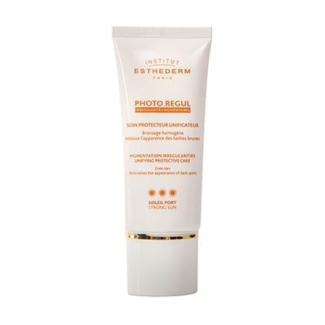
Institut Esthéderm Photo Regul Pigmentation Irregularities Unifying Protective Care Strong Sun ***
€88,30
+ Free gift


delilah Take Cover Concealer
from € 32,50
5 variants
Step 3: A serum that fades
Pigmentation marks appear when melanin builds up in areas where its production is irregular. The Powerbright Dark Spot Serum by Dermalogica is an advanced serum with niacinamide that treats uneven pigmentation and fades pigmentation marks within a short time.
Step 4: Wear an SPF every day
Pigmentation is encouraged by sunlight, so from now on wear a factor 50 sun cream on the face and décolletage, ideally one that also offers an active solution for pigmentation marks. The innovative Photo Regul Pigmentation Irregularities Face Cream by Institut Esthederm uses the sun to reverse the pigmentation process and brighten pigmentation marks in the process.
Step 5: Conceal marks with a concealer
Now that your skin is well protected and cell renewal is underway, all that remains is to cover any existing marks on the face or décolletage with a liquid concealer. The Take Cover Radiant Cream Concealer by delilah is enriched with flower extracts, vitamin F and light-reflecting pigments to brighten the skin and give a radiant glow.
